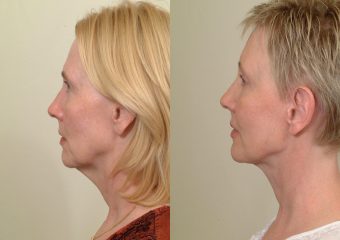


Top 10 Essential Facts About Deep Plane Composite Facelifts
10 Most Important Things to Know About Deep Plane (Composite) Facelift
The journey toward deciding on a deep plane (composite) facelift, a revolutionary approach in the realm of cosmetic surgery, can be filled with many questions and considerations. This procedure isn’t just another cosmetic treatment; it’s a comprehensive approach to facial rejuvenation that offers substantial and lasting results. Here’s what you need to know.
1. Understanding What a Deep Plane Facelift Is

A deep plane facelift, also referred to as a composite facelift, goes deeper than the traditional facelift. It involves repositioning not only the skin but also the muscle and fat beneath. This technique allows for a more natural-looking lift without the tightness that sometimes comes with more superficial procedures.
2. It Targets the Midface Area
One of the primary benefits of this facelift is its effectiveness in rejuvenating the midface region. A full deep plane (composite) facelift will address aging changes from the lower lids to the clavicle.
3. Offers More Natural Results
Due to the comprehensive nature of the lift, which repositions deeper layers of facial structure, the results are often more natural compared to other types of facelifts. Patients typically report a rejuvenated appearance that still looks like their true self. The SMAS is advanced under considerable tension. The skin comes with it like baggage on a flat car and after removal of excess is sutured under no tension. The results look more natural and the resulting scars are usually excellent.

4. Longer Lasting Effects
While no facelift can permanently halt aging, the results of a deep plane facelift tend to last longer than those of a traditional facelift. Typically, the improvements can be enjoyed for about 10 to 15 years, depending on the individual’s lifestyle and skin care. A well-performed composite facelift is, most of the time, a once in a lifetime event.
5. Recovery Time
Recovery is actually no different than more conventional techniques. Patients are expected to be up and about immediately. Most patients are socially passable before 2 weeks although changes will be seen over several months.
6. Higher Skill Requirement for Surgeons
Not all plastic surgeons perform deep plane facelifts as this procedure requires advanced technical skills and thorough understanding of facial anatomy. It’s crucial to choose a surgeon with specific experience in this type of facelift.
7. Managing Expectations
While the results are more natural and long-lasting, it’s important to have realistic expectations. Discussing potential outcomes and viewing before-and-after photos of previous patients can help set realistic goals.
8. Costs Involved
As a more complex procedure, a deep plane facelift generally costs more than a traditional facelift. Prices vary depending on geographic location, surgeon’s expertise, and specific patient needs.
9. Ideal Candidates
The best candidates for a deep plane facelift are typically those who experience sagging and aging in the midface and lower face areas. Good overall health and realistic expectations about the outcomes are crucial.
10. Potential Risks and Complications
Like any surgical procedure, deep plane facelifts come with potential risks. These can include bleeding, infection, nerve injury, and complications related to anesthesia. Discussing these with your surgeon preoperatively is essential. Infection is very rare. I have never had a patient with permanent nerve injury.
Conclusion
A deep plane (composite) facelift holds the promise of a more youthful, revitalized appearance that holds up better over time compared to other facelift techniques. If considering this advanced surgical option, ensure to select a qualified and experienced surgeon. The journey to a more youthful appearance should be undertaken with careful consideration, ensuring that it aligns naturally with your health and aesthetic goals.