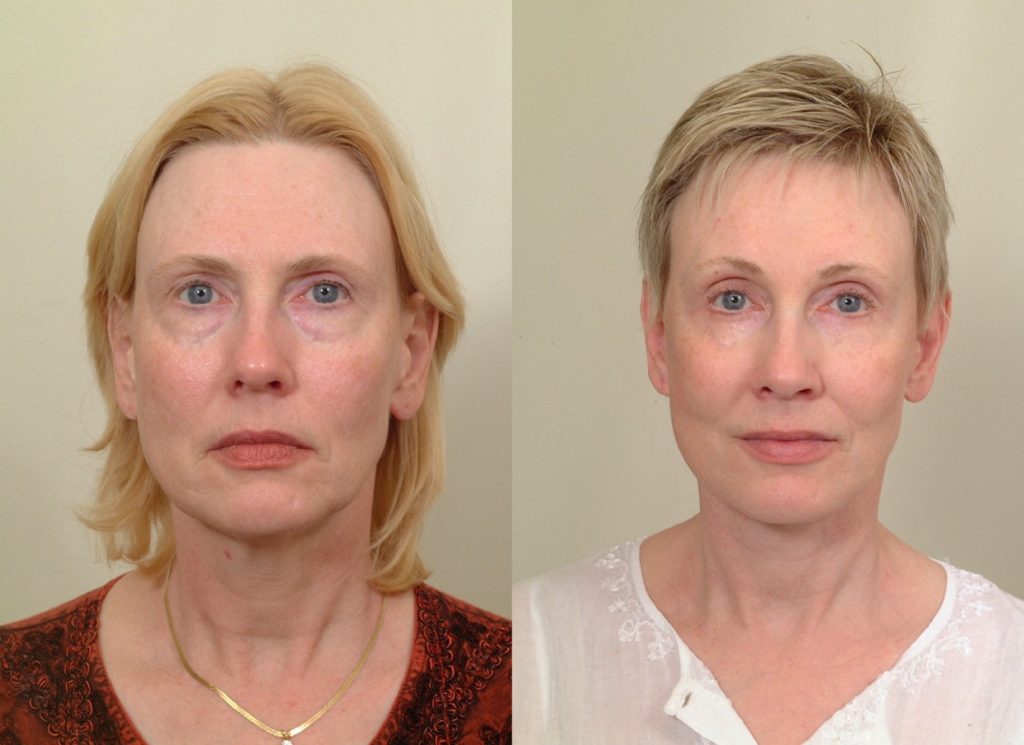

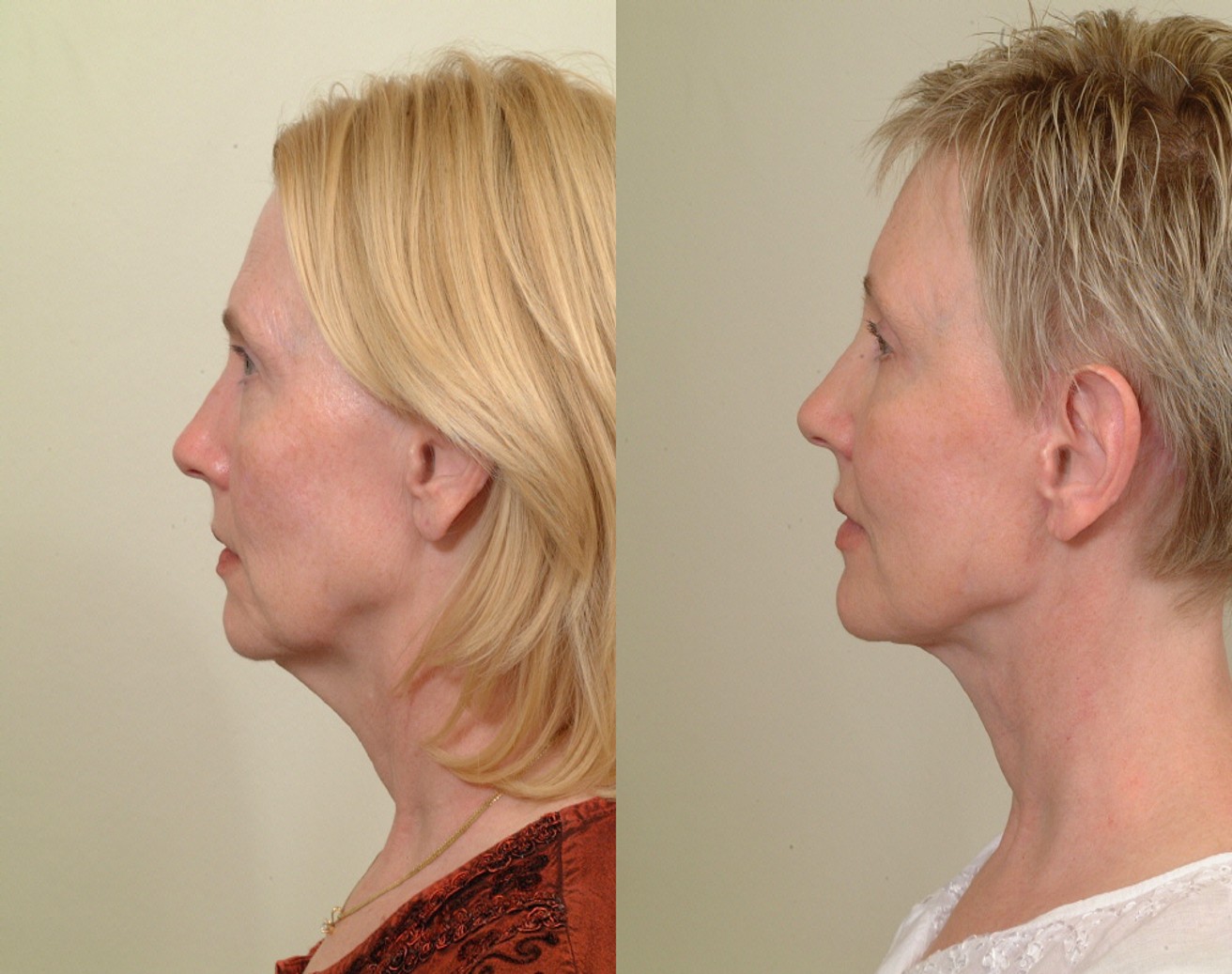
Deep Plane Facelift Pain: Stunningly Manageable Recovery Tips
How Painful Is a Deep Plane Facelift? Understanding the Experience
A deep plane facelift is often considered one of the most effective surgical options for achieving a more youthful and rejuvenated appearance, but many people wonder: how painful is a deep plane facelift? Understanding the level of discomfort associated with this procedure is essential for anyone considering it, as it helps manage expectations and prepare for the recovery process.
What Is a Deep Plane Facelift?
Before diving into the question of pain, it’s helpful to know what a deep plane facelift entails. This procedure differs from traditional facelifts by targeting the deep layers of the face, including the SMAS (superficial musculoaponeurotic system) and underlying tissue planes, rather than just tightening the skin. The approach allows for more natural, longer-lasting results by repositioning the deeper structures that contribute to sagging and aging.
Because the surgery works beneath several layers of tissue, it’s generally more invasive than superficial facelifts, which makes many potential patients curious about the corresponding pain and discomfort level.
How Painful Is a Deep Plane Facelift During the Procedure?
The deep plane facelift is performed under general anesthesia, which means patients do not feel any pain while the surgery is taking place. An experienced anesthesiologist ensures that individuals remain completely unconscious and comfortable throughout the operation.

This part of the experience generally induces no discomfort or awareness, so concerns about pain during the surgery itself are unwarranted.
Post-Operative Pain: What to Expect
After the anesthesia wears off, most patients wonder how painful a deep plane facelift really is during the critical recovery phase. The honest answer is that some discomfort is almost always present, but the severity and duration can vary widely based on several factors, such as the patient’s pain tolerance, the surgeon’s technique, and post-operative care.
Common sensations experienced following the procedure include:
- Tenderness and Soreness: Tightness of the neck is the most common post-operative discomfort as the platysma muscle banding is repaired by a corset platymaplasty.
- Swelling and Bruising: These common side effects may increase feelings of tightness or discomfort, especially during the first week.
- Numbness or Tingling: The most common sensory side effect of a deep plane facelift is numbness rather than pain. This sensibility loss will take several months to totally recover. As this process proceeds patients report unusual sensations heralding the return of nerve function.
- Tightness: As tissues heal and adapt to their new positions, some patients describe an unusual tightness around the cheeks, jaw, and neck.
Managing Pain Effectively
Pain management is a crucial part of the deep plane facelift recovery process. Surgeons usually prescribe pain medications to help control discomfort in the first few days after surgery. These might include:
- Over-the-counter pain relievers: Such as acetaminophen or ibuprofen for mild pain.
- Prescription pain medications: Patients are given narcotics should the pain require a stronger medication but most patients don’t need to use them.
- Keeping the head elevated: Sleeping with the head elevated reduces swelling, which can diminish pressure and discomfort.
Following the surgeon’s post-operative instructions carefully, including attending follow-up appointments, can also ensure optimal healing and minimize pain.
How Long Does the Pain Last?
Typically, the most intense pain happens within the first 48 to 72 hours post-surgery. After this period, many patients report a rapid decline in discomfort levels. By the second week, the soreness usually subsides significantly, although some mild tenderness may persist for a few weeks as the tissues continue healing.
Swelling and bruising, which indirectly affect pain perception, can last up to two weeks or more. Most people feel comfortable returning to work and normal activities within two weeks, although this depends on personal healing rates and the extent of the facelift.
Is Deep Plane Facelift Pain Different from Other Facelift Techniques?
The deep plane facelift (composite) incorporates sequential tension sutures to anchor the tissue that has been repositioned by the procedure. This has led to less pain the traditional facelifts or deep plane facelifts that don’t employ this technique. It also obviates the need for drains.
Final Thoughts on Pain and Recovery
Wondering how painful a deep plane facelift is is a natural part of considering this transformative surgery. While some discomfort is inevitable given the invasive nature of the procedure, modern pain management strategies and careful post-operative care make recovery much more manageable than many expect.
The key to a smoother recovery is preparing mentally, following medical advice meticulously, and maintaining realistic expectations about the healing timeline. Many patients who choose this approach feel the temporary discomfort is a small price to pay for a refreshed, younger-looking appearance that can last for years.
If you’re contemplating a deep plane facelift, discussing your pain concerns openly with your surgeon can help create a personalized plan that prioritizes your comfort throughout the entire process.