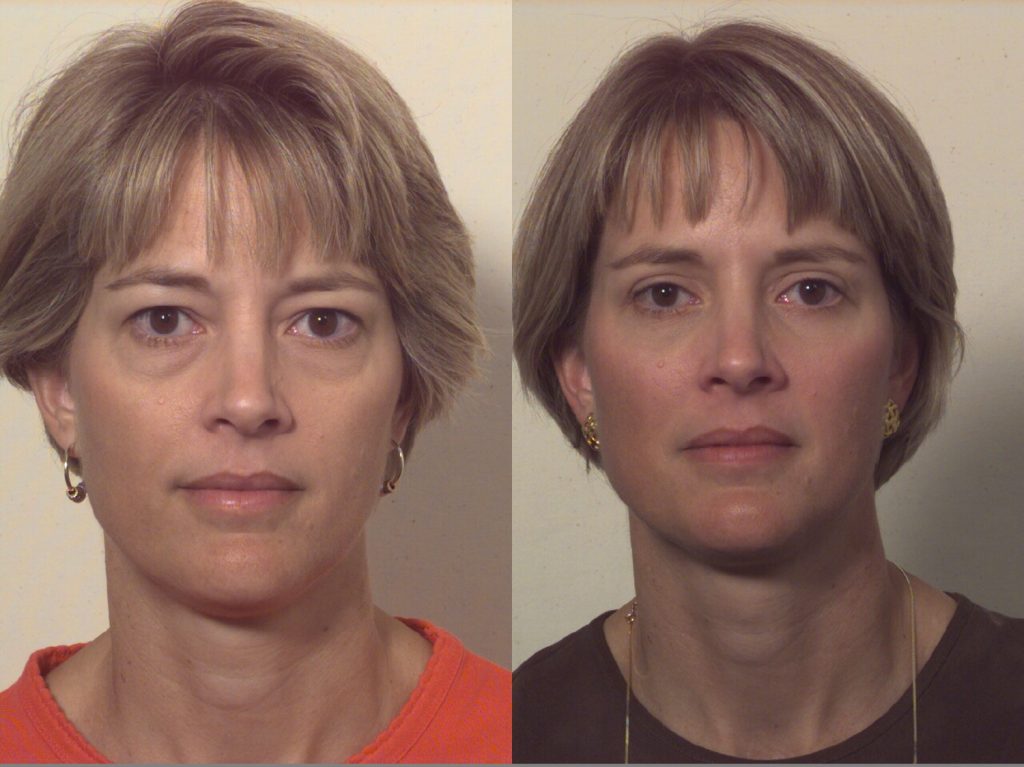

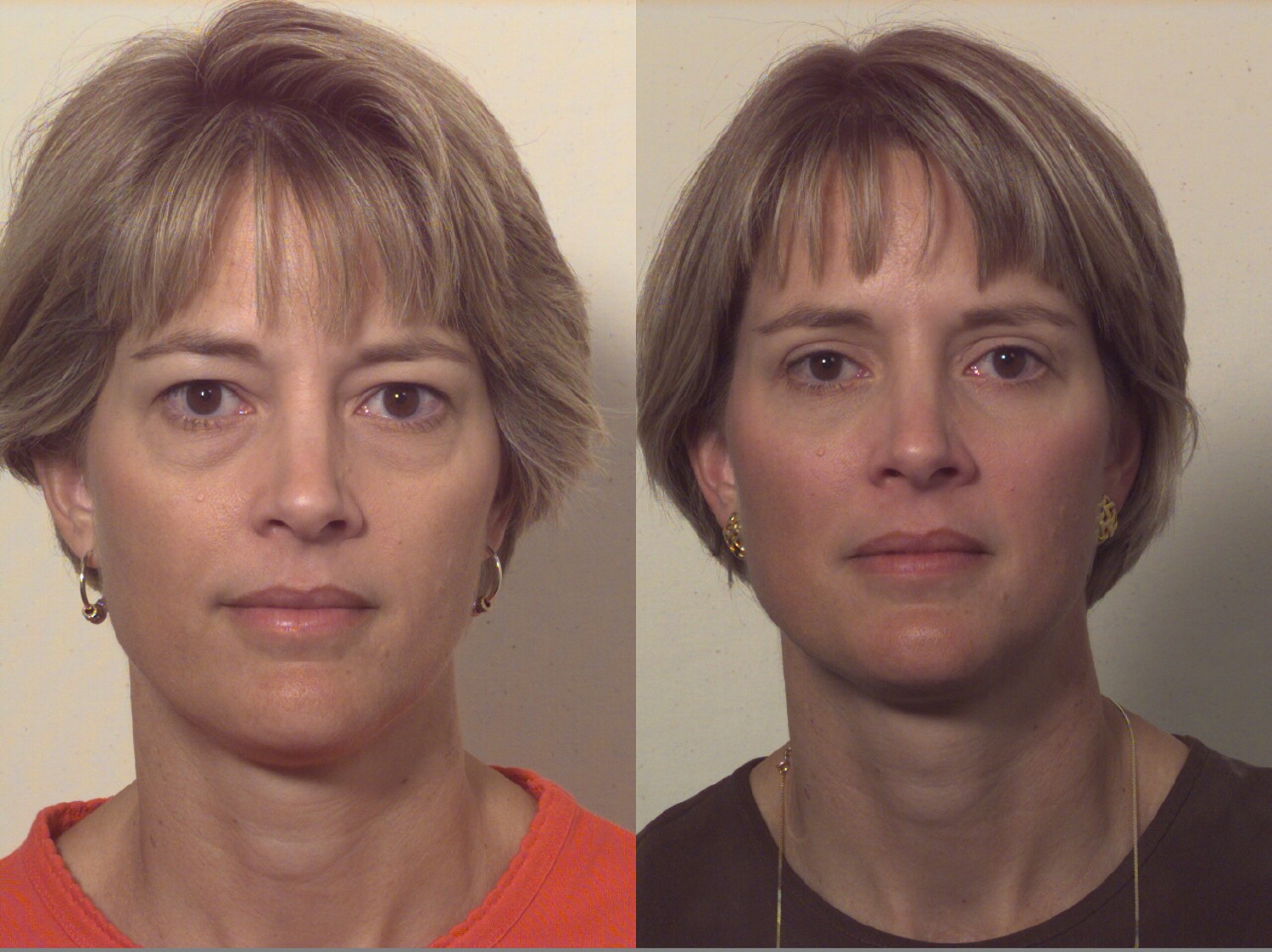
Eyelid Surgery Upper and Lower: Stunning, Affordable Blepharoplasty
Eyelid Surgery (Blepharoplasty) Upper and Lower: What You Need to Know
Eyelid surgery, known medically as blepharoplasty, is a popular cosmetic procedure aimed at rejuvenating the appearance of the eyes by correcting issues in both the upper and lower eyelids. As the eyes often reveal signs of aging before the rest of the face, many individuals opt for this treatment to improve their aesthetic appeal and boost their confidence. Whether it’s excess skin, puffiness, or sagging eyelids, blepharoplasty can address these concerns effectively and provide a more youthful, refreshed look.
Understanding Eyelid Surgery (Blepharoplasty) Upper and Lower
Blepharoplasty can be performed on the upper eyelids, lower eyelids, or both, depending on the unique needs of the patient. The upper eyelid surgery focuses on removing or repositioning excess skin and fat that may be causing drooping or sagging, potentially impairing vision or giving a tired appearance. Meanwhile, lower eyelid surgery targets issues such as under-eye bags, puffiness, and wrinkles.
Upper Eyelid Surgery: A Closer Look
Of all the operations performed on the face to make it look younger upper lid blepharoplasty probably gets the most for the least. The upper eyelid procedure is often recommended for patients experiencing hooded or droopy eyelids. This condition can make the eyes appear smaller and older and sometimes interfere with the field of vision. During the surgery, the surgeon makes incisions along the natural crease of the eyelid to remove excess skin, muscle, and occasionally fat. The incisions are then closed with fine sutures, which generally heal well and minimize visible scarring.
Patients who undergo upper eyelid blepharoplasty often report a noticeable improvement in their vision as well as their appearance. The procedure can lend a more open and alert look to the eyes, enhancing overall facial harmony.

Lower Eyelid Surgery: What to Expect
Lower eyelid surgery primarily addresses under-eye bags, puffiness, and loose skin — common signs of aging or genetics. Techniques vary depending on the patient’s condition. For example, if the main concern is excess fat causing puffiness, the surgeon may opt for a transconjunctival blepharoplasty, which involves making an incision on the inside of the lower eyelid, leaving no visible scar. For loose skin or wrinkles, an external incision just below the lower lash line might be necessary.
The goal is to smooth the under-eye area, reduce puffiness, and create a more youthful contour without a hollowed or unnatural appearance. This part of the surgery demands a high level of precision to maintain the delicate function and appearance of the eyelid.
The Benefits of Eyelid Surgery (Blepharoplasty) Upper and Lower
There are numerous benefits to opting for blepharoplasty on the upper and lower eyelids, extending beyond just cosmetic improvements:
- Enhanced Vision: Excess skin on the upper eyelids can obstruct peripheral vision. Surgery can improve this problem, contributing to better eyesight and comfort.
- Youthful Appearance: Removing sagging skin and under-eye bags can dramatically reduce signs of aging, making a person look more rested and refreshed.
- Increased Confidence: Many patients feel more self-assured and energetic after the procedure due to their rejuvenated look.
- Long-Lasting Results: Unlike some temporary cosmetic treatments, blepharoplasty offers enduring benefits, with results often lasting 5-10 years or more.
Preparing for Eyelid Surgery
Before undergoing eyelid surgery, it’s important to have a thorough consultation with a board-certified plastic surgeon or oculoplastic specialist. The doctor will evaluate your eyes, discuss your goals, and assess your overall health to ensure you are a good candidate. They may also recommend stopping certain medications or supplements that can increase bleeding risk.
Discussing realistic expectations is key to patient satisfaction. While blepharoplasty can make significant improvements, it’s not intended to completely change your facial features.
Recovery and Aftercare
Recovery from eyelid surgery typically involves some swelling, bruising, and mild discomfort, which usually subside within one to two weeks. Keeping the head elevated, applying cold compresses, and following your surgeon’s instructions regarding medication and activity restrictions can support a smooth healing process. Sutures are generally removed within a week, and normal activities can often resume soon after.
Patients should avoid strenuous exercise and direct sun exposure during recovery to prevent complications. Final results typically become visible after swelling fades, revealing smoother, tighter eyelids.
Is Eyelid Surgery Right for You?
If you’re troubled by droopy upper lids, persistent under-eye bags, or tired-looking eyes that do not improve with rest or skincare, blepharoplasty could be a valuable option. This procedure is suitable for healthy adults who have realistic expectations and want to enhance their appearance or vision.
Consulting with an experienced surgeon will help you understand the specific techniques applicable to your needs and develop a customized surgical plan.
Eyelid surgery (blepharoplasty) for the upper and lower lids offers an effective way to refresh your eyes and restore their youthful vitality. With advances in techniques and careful patient selection, many individuals benefit from the natural, long-lasting enhancements this procedure provides. Whether you seek to improve your look or vision, blepharoplasty remains a trusted choice in the realm of facial rejuvenation.