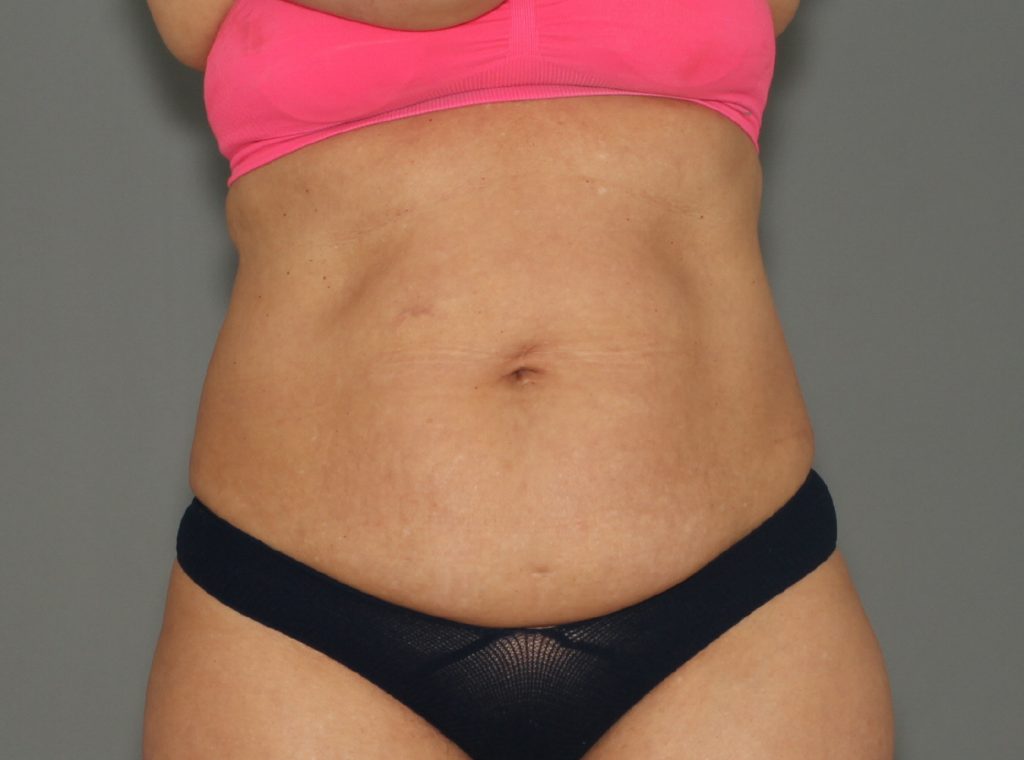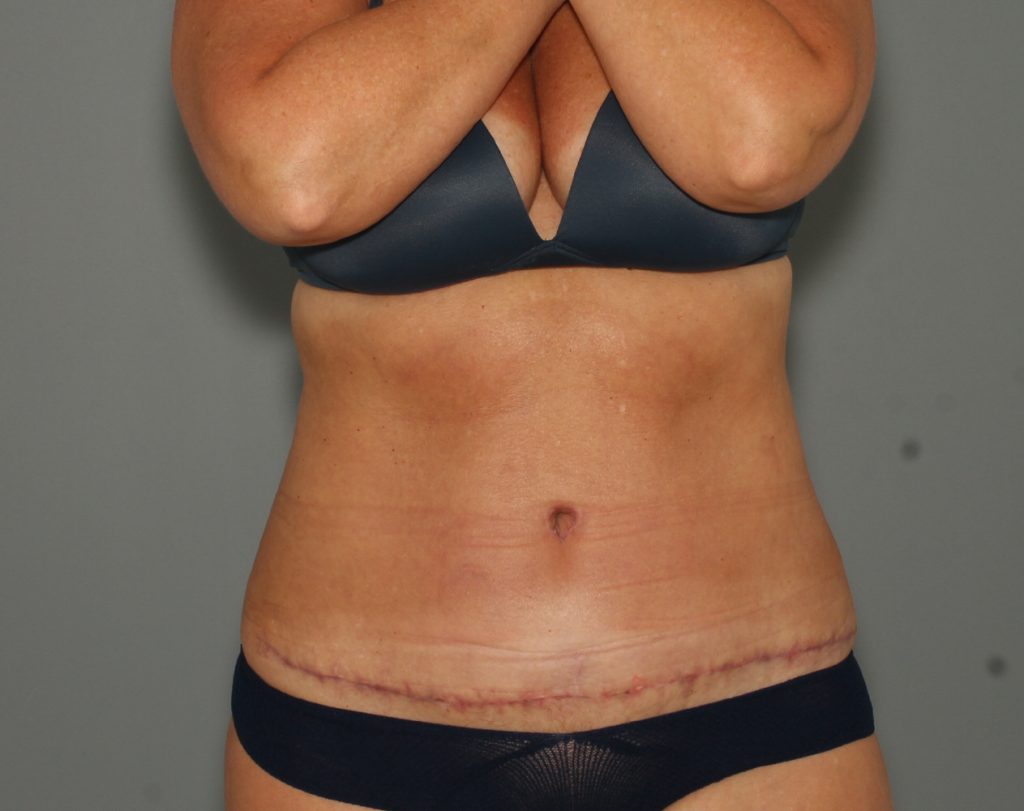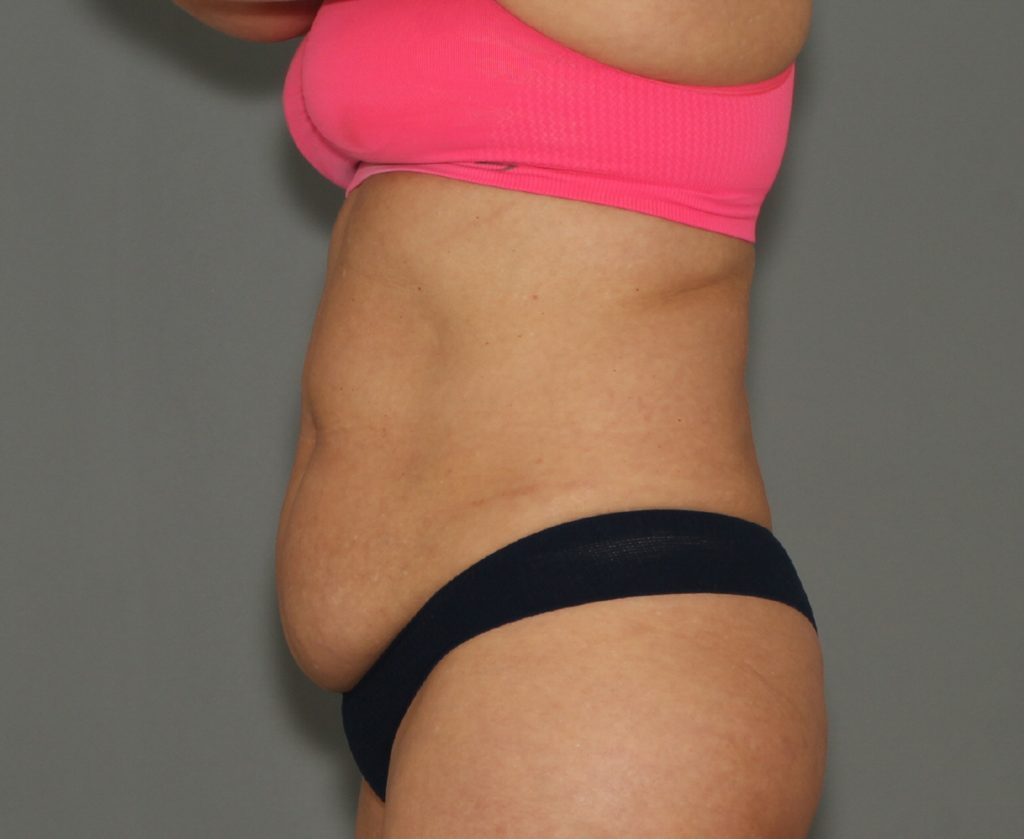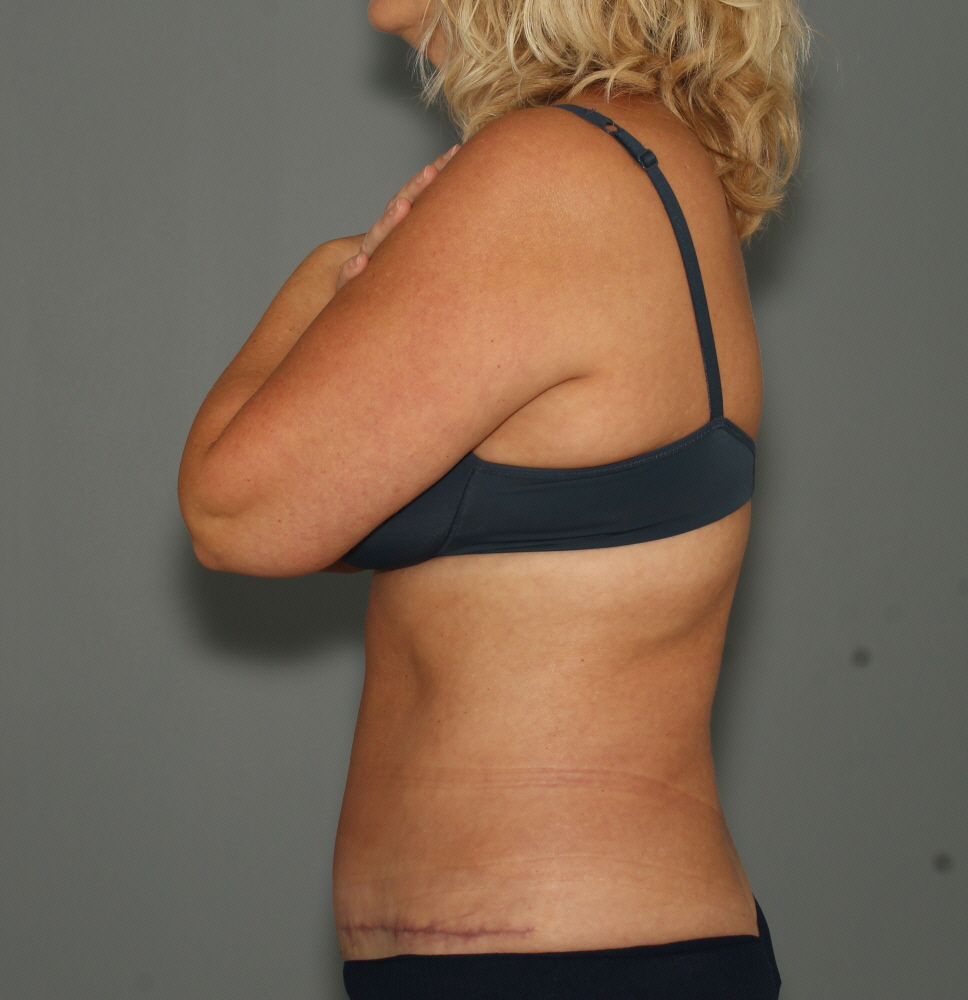


Abdominoplasty Without Drains: Must-Have Effortless Recovery Tips
Abdominoplasty Without Drains: A Modern Approach to Tummy Tuck Surgery
Abdominoplasty without drains is an innovative technique in cosmetic surgery that has gained increasing popularity among both surgeons and patients seeking a smoother recovery from a tummy tuck procedure. Traditional abdominoplasty often involves the placement of surgical drains to remove excess fluid and reduce the risk of complications. However, advances in surgical methods and postoperative care have made it possible to perform abdominoplasty without the need for drains, resulting in a more comfortable and convenient recovery experience.
What is Abdominoplasty?
Abdominoplasty, commonly known as a tummy tuck, is a surgical procedure designed to remove excess skin and fat from the abdomen while tightening the underlying muscles. This operation is popular for individuals who have experienced significant weight loss, pregnancy, or aging, leading to loose skin and weakened abdominal muscles. The goal is to create a flatter, firmer abdominal profile and improve overall body contour.
Why Were Drains Traditionally Used?
In a traditional abdominoplasty, surgeons insert drains to prevent the accumulation of serous fluid or blood beneath the skin flap, which can lead to complications such as seromas or hematomas. Drains help by allowing fluid to exit the body, reducing swelling and promoting better healing. Patients, however, often find drains uncomfortable, inconvenient, and sometimes a source of anxiety.

The Evolution: Abdominoplasty Without Drains
Abdominoplasty without drains involves the use of advanced surgical techniques aimed at minimizing the creation of dead space where fluid can accumulate after surgery. Instead of relying on drains, surgeons employ progressive tension sutures and meticulous tissue handling to secure the skin flap tightly to the underlying muscle. These sutures reduce movement between tissue layers, which significantly decreases the likelihood of fluid buildup.
Advantages of Abdominoplasty Without Drains
Choosing a drain-free abdominoplasty offers several benefits, making it appealing for many patients:
- More Comfortable Recovery: Without drains, patients avoid the discomfort and inconvenience of managing tubes that exit the body.
- Reduced Risk of Infection: Drains can serve as potential entry points for bacteria. Eliminating drains lowers this risk.
- Easier Mobility: Drains often restrict movement and complicate simple activities. Without them, patients regain mobility faster.
- Improved Aesthetic Outcome: Progressive tension sutures employed in this technique help contour the abdomen better and may reduce swelling.
- Simplified Postoperative Care: Patients don’t need to empty or care for drain bulbs, reducing stress during recovery.
Who is a Good Candidate for Drain-Free Abdominoplasty?
Not all patients qualify for abdominoplasty without drains. Ideal candidates typically include those with moderate amounts of excess skin and fat and a generally healthy body weight. Patients requiring more extensive skin removal or liposuction might be at higher risk of fluid accumulation, where drains may still be necessary.
Surgeons assess the degree of tissue dissection and skin flap thickness to determine the feasibility of avoiding drains. This decision is always made with the patient’s safety as the top priority.
The Role of Progressive Tension Sutures
One key to successful abdominoplasty without drains is the use of progressive tension sutures (PTS). These are multiple layers of stitches placed between the skin and the underlying muscle, effectively “quilting” the tissue and preventing fluid pockets from forming. In addition to obliterating dead space and eliminating the need for a drain, sequential tension sutures allow better shaping of the waist and provide for a tension free closure of the skin which translates into a better scar.
Aside from preventing seromas, PTS also help distribute tension evenly across the incision line, which may reduce scar widening and lead to a more aesthetically pleasing result. This technique requires skill and time but offers notable advantages in patient comfort and surgical outcomes.
Postoperative Care and Recovery
Even in drain-free abdominoplasty, careful postoperative care is essential. Patients are usually advised to wear compression garments for several weeks to support the abdomen and minimize swelling. Early gentle ambulation is encouraged to promote circulation and healing.
Surgeons will often schedule regular follow-ups to monitor for any signs of fluid collection. In the rare event of seroma formation, it can often be managed with simple needle aspiration in the office.
Conclusion
The option of abdominoplasty without drains represents an exciting advance in cosmetic surgery focused on enhancing patient comfort and outcomes. While not suitable for every case, this technique offers a less invasive recovery process, reduced infection risk, and potentially better aesthetic results. Patients considering a tummy tuck should discuss the possibility of drain-free surgery with their board-certified plastic surgeon to determine what approach best suits their needs and goals.
With continuous improvements in surgical techniques, abdominoplasty without drains is becoming a preferred choice for many, heralding a new era of personalized and patient-friendly body contouring procedures.